

Residential treatment
Sometimes the best thing you can do is step out of your everyday life for a while. Residential treatment gives you a safe, structured place to live and heal, with care around the clock.
- Free and confidential
- Answered 24/7
- Insurance checked free
Updated October 2026
Residential treatment combines a safe place to live with a full day of therapy, medical care and recovery activities. It gives you time and space to stabilize, learn new skills and plan for life after.
Who it’s right for
A good fit if
- Use is severe, daily or long-term
- You’ve tried outpatient care and relapsed
- Home isn’t safe or supportive right now
- Mental health needs close attention
A typical day
- Breakfast and morning check-inMedication, vital signs if needed, and a group meeting to set the day.
- Group therapyCBT skills, relapse prevention, emotional regulation.
- Individual therapy or psychiatryOne-on-one time with your therapist, several times a week.
- Education and wellnessNutrition, sleep, exercise, mindfulness or art and music therapy.
- Family session or free timeCalls, visits on scheduled days, rest.
- Peer support meeting12-step, SMART Recovery or an in-house recovery group.
How to choose a residential program
- Licensed by the Florida Department of Children and Families, and accredited by The Joint Commission or CARF
- Licensed therapists and on-site medical and psychiatric care
- Medication for opioid and alcohol use disorder offered, not discouraged
- Family involvement and a written discharge plan
- Clear costs after insurance, in writing
Free flights, free rent or gift cards in exchange for choosing a facility are red flags, and illegal under Florida’s patient brokering law.
What to bring
- ID and insurance card, plus a list of your medications (in original bottles)
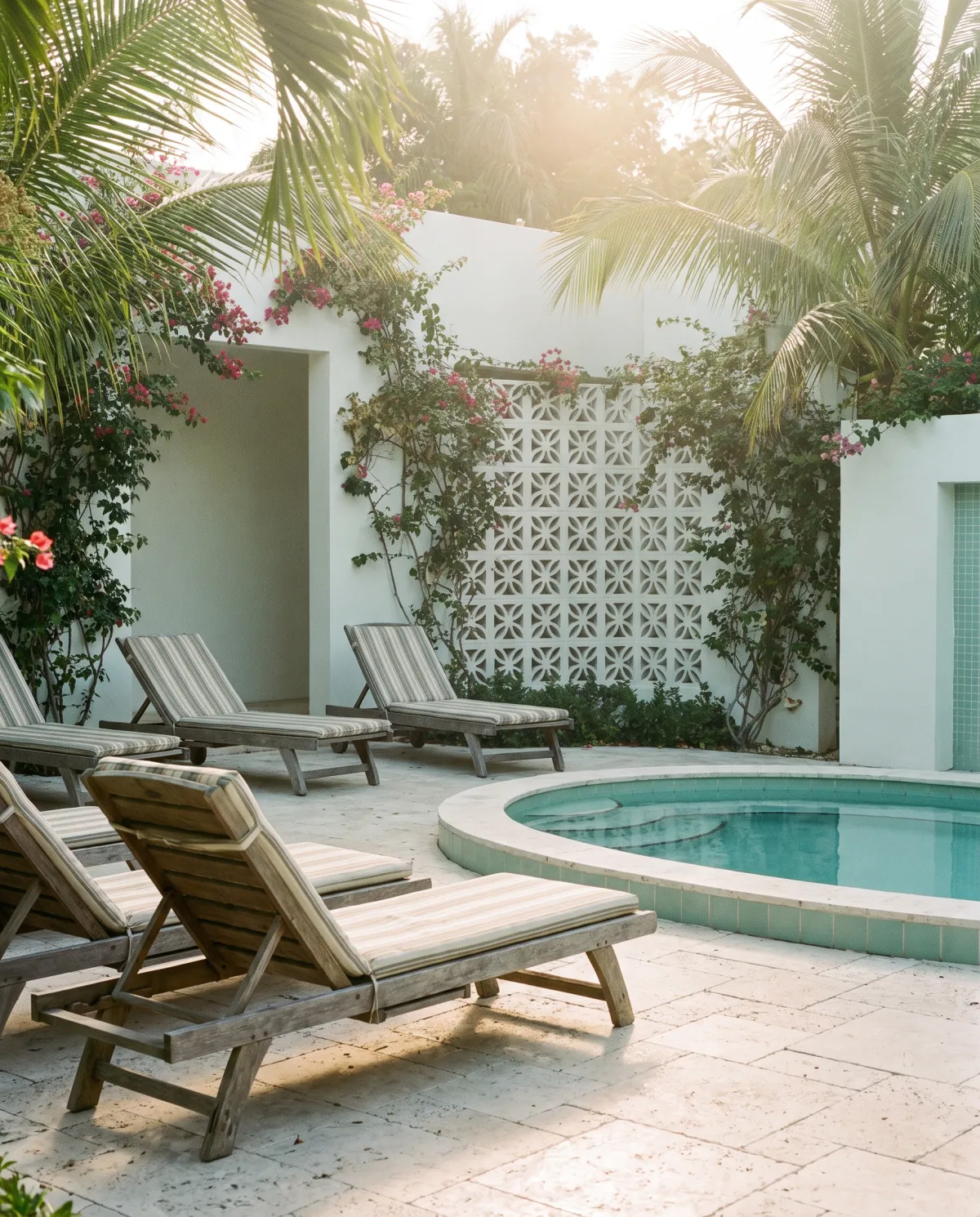
- About a week of comfortable clothes, sneakers and something for the pool
- Toiletries without alcohol in the first ingredients
- Phone numbers you’ll want, written down
- A journal and a book
Each program has its own list. We’ll send it to you.
Questions people ask us.
Don’t see yours? Call or text (305) 701‑0439. There are no wrong questions, and nothing you tell us leaves the call.
Is inpatient the same as residential?
People often use the words interchangeably. Strictly, inpatient can mean hospital-based care, while residential means a non-hospital setting with 24/7 staff. Both mean you live on site.
Can my family visit?
Most programs have scheduled visiting and family sessions, often after the first week. Family involvement usually helps.
Can I leave if I want to?
Yes. Residential treatment for adults is voluntary unless a court has ordered it. Staff will talk with you about the risks of leaving early and help you plan if you do.
Why go somewhere farther away?
Distance from people, places and routines tied to using can help, and some specialized programs aren’t local. South Florida also has many options close to home. We’ll help you weigh it.
Related guides



Talk it through with someone who knows Miami’s programs.
Free, private and no pressure. A real person answers day or night.